Leofoto LPC-R50V L-Bracket for Canon EOS R50V
-
Precision fit for Canon EOS R50V: L-bracket specifically designed for the Canon EOS R50V for secure and precise tripod mounting.
-
Arca-Swiss compatible: Suitable for tripod heads and clamps using the Arca-Swiss standard.
-
Portrait and landscape orientation: The camera can be securely mounted on the tripod in both horizontal and vertical orientation.
-
Quick orientation change: Allows for an easy switch between portrait and landscape orientation.
-
Unobstructed access to ports: The design ensures continued access to the ports and important functions of the Canon EOS R50V.
-
High stability: The precisely manufactured L-bracket provides a secure and stable connection between the camera and tripod.
-
High-quality 6061-T6 aluminum alloy: Robust and corrosion-resistant material for a durable camera bracket.
-
Precision CNC manufacturing: The components are manufactured from solid material using modern CNC machines.
Leofoto LPC-R50V L-Bracket for Canon EOS R50V
Professional Arca-Swiss L-Bracket for the Canon EOS R50V
The Leofoto LPC-R50V L-bracket was specifically developed for the Canon EOS R50V and enables secure and precise mounting of the camera on a tripod with an Arca-Swiss clamp. The precision-fit construction provides a reliable connection between the camera and tripod while offering maximum flexibility when choosing the shooting orientation.
With the Leofoto LPC-R50V, the Canon EOS R50V can be mounted on a tripod in both landscape and portrait orientation. This makes the L-bracket ideal for demanding photo and video applications where a stable camera position and quick changes in orientation are required.
Arca-Swiss Compatible for Flexible Tripod Photography
The Arca-Swiss-compatible L-bracket can be used with compatible tripod heads and quick-release clamps. Switching between horizontal and vertical shooting orientation is particularly convenient, without having to reposition the camera extensively.
The design of the Leofoto LPC-R50V also takes the ports and controls of the Canon EOS R50V into account. Access to the camera's important interfaces remains unobstructed, ensuring that the L-bracket does not unnecessarily restrict everyday use.
High-Quality 6061-T6 Aluminum Alloy
For its metal components, Leofoto uses a high-quality 6061-T6 aluminum alloy with magnesium and silicon as alloying elements. This corrosion-resistant material combines high strength with good toughness, making it ideally suited for a stable and durable camera bracket.
The yield strength of the aluminum alloy used is comparable to that of structural steel. The Leofoto LPC-R50V therefore offers high load-bearing capacity and stability while maintaining a comparatively low weight.
Precision CNC-Machined from Solid Material
The components of the Leofoto LPC-R50V are CNC-machined from solid material using modern CNC machines. This manufacturing process enables a particularly precise and stable construction and provides high mechanical strength compared with conventional cast components.
The precise workmanship ensures a reliable connection between the Canon EOS R50V and an Arca-Swiss tripod. Leofoto consistently relies on high-quality materials and precision manufacturing to create a durable L-bracket that meets demanding requirements.
Leofoto LPC-R50V Benefits at a Glance
- L-bracket specifically designed for Canon EOS R50V
- Arca-Swiss-compatible tripod mounting
- Use in both portrait and landscape orientation
- Quick switching between horizontal and vertical orientation
- Access to ports and important camera functions remains unobstructed
- Precision-fit construction for the Canon EOS R50V
- High-quality 6061-T6 aluminum alloy
- Corrosion-resistant and durable material
- Precision CNC-machined from solid material
- Robust and durable construction
- Ideal for demanding photo and video applications
Precision-Fit L-Bracket for the Canon EOS R50V
The Leofoto LPC-R50V is a high-quality, precision-fit L-bracket for the Canon EOS R50V. It combines stable Arca-Swiss tripod mounting with the ability to quickly switch between portrait and landscape orientation. The precision CNC manufacturing from 6061-T6 aluminum makes the L-bracket a robust and durable solution for demanding photographers and videographers.
Note: The application examples show optional accessories or the product used in combination with other items. Accessories shown in the images are not included in the scope of delivery unless explicitly stated otherwise.
Technical Specifications
| Performance |
| Camera mounting thread (inch) |
1/4" |
| Suitable for |
Canon EOS R50V |
| Material |
Aluminum |
| Clamping |
Arca-Swiss |
| Applications |
Photography |
| General |
| Series |
L Bracket |
| Weight |
0.069 kg |
| Length |
12.8 cm |
| Height |
6.1 cm |
| Width |
5.0 cm |
In the Box
- 1x Leofoto Portrait L-Bracket LPC-R50V for Canon EOS R50V
Tripod Components


Cameras and tripods have a long-standing partnership, maintaining relevance and unmatched functionality in a world dominated by image stabilization and Photoshop tricks. Although the form and function of a tripod are much simpler to understand than today’s DSLRs, with their extensive features, selecting the right setup from a variety of manufacturers and seemingly comparable models can be a daunting task. This article outlines the basic types of tripod kits every photographer should consider, and discusses the various categories of tripod heads and legs for those looking to build a custom setup.
Tabletop Tripods
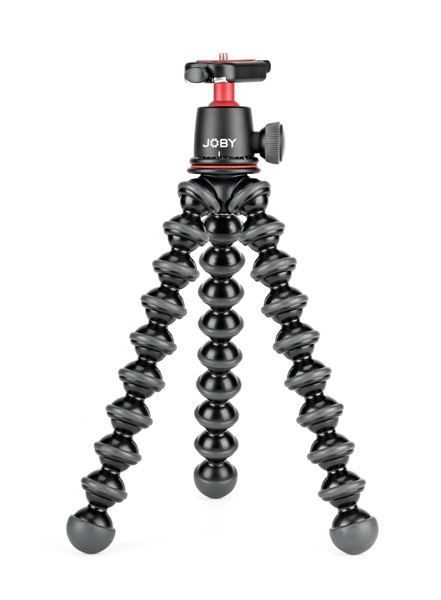
For some, the simplest and smallest solution is often the best, and for this audience, a tabletop tripod offers a particularly compact solution for the everyday photographer. These tripods come in a range of types and sizes and are usually sold as kits with a pre-mounted head and legs. They are typically inseparable and reach a maximum height of no more than 30cm. These tripods are ideal for travelers, hikers, or those photographing in areas where carrying full-sized camera equipment might be restricted. Those needing a table support may also consider a flexible variant, such as the Joby Gorillapod line. These compact and lightweight supports can be used on a traditional flat surface or wrapped around various objects (such as branches, pipes, and handlebars) to stabilize your camera on uneven terrain or create a unique new photographic perspective.
The Tripod System
For the passionate, ambitious, and professional photographer, investing in a modular tripod system—or, for the layperson, a tripod with a removable head and a set of durable, versatile legs—is the preferred choice. Whether purchased together as part of an extended set or separately, investing in a system ensures the user obtains customizable, high-quality equipment that can be adapted to specific photography needs either now or in the future. Below, we outline some of the different options for purchasing a pre-made tripod kit or assembling your own tripod kit using components selected to meet your individual requirements.
The 3-Way Pan-Tilt Head

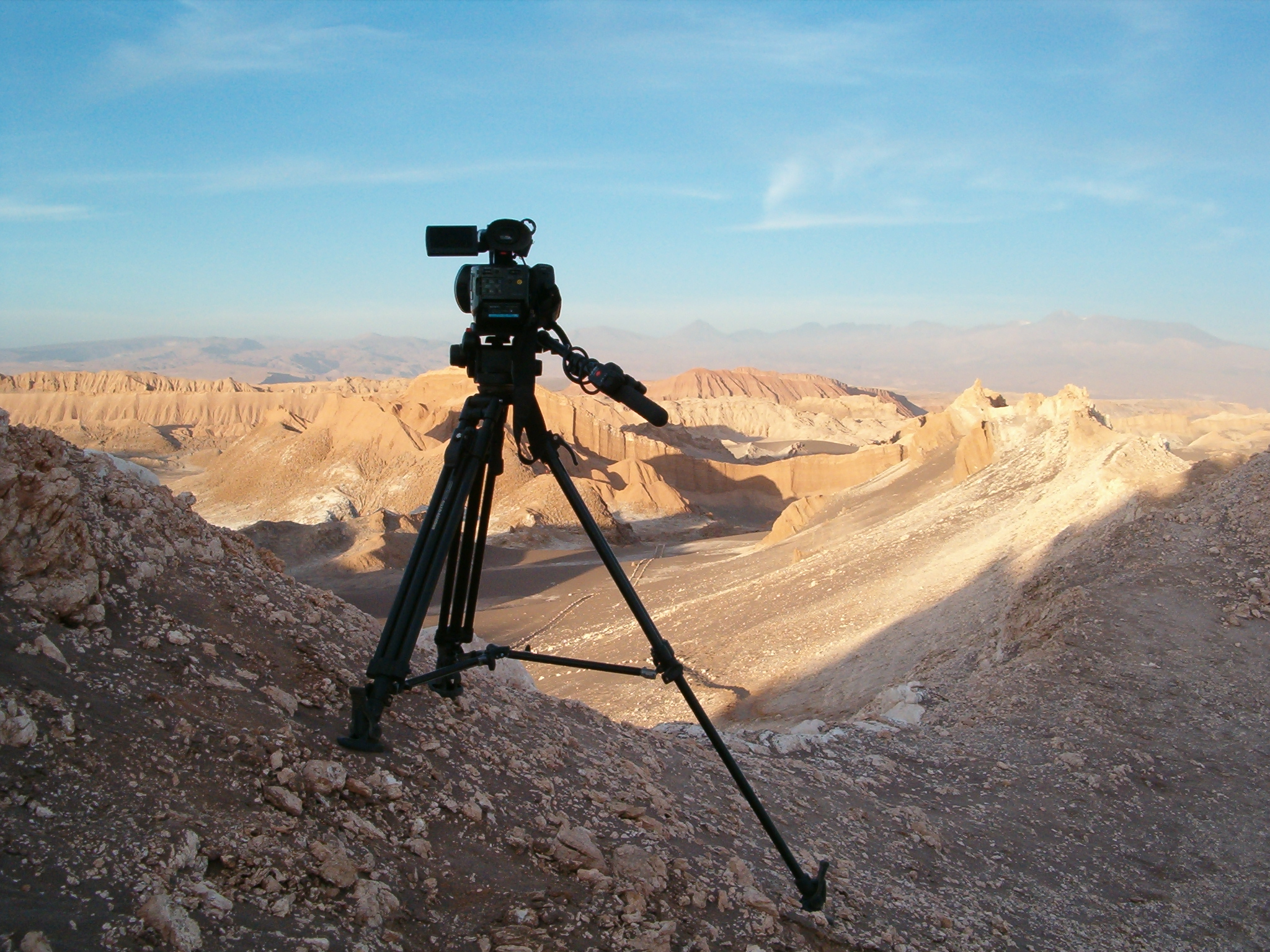
When most people think about tripod functionality, they envision the movement and brand-licensed style of the classic three-way head. This design remains popular with beginners for its ease of use and relatively precise movement. The head consists of three separate arms controlling vertical tilt, horizontal tilt, and 360-degree panning. To adjust the position of each angle, simply turn the handle for the desired angle, position the camera, and then tighten the handle again to lock the camera in place—it's that simple. Three-way heads are commonly used for landscape, portrait, still-life, macro, or product photography, but they can be used for almost any photographic application.
The Ball Head
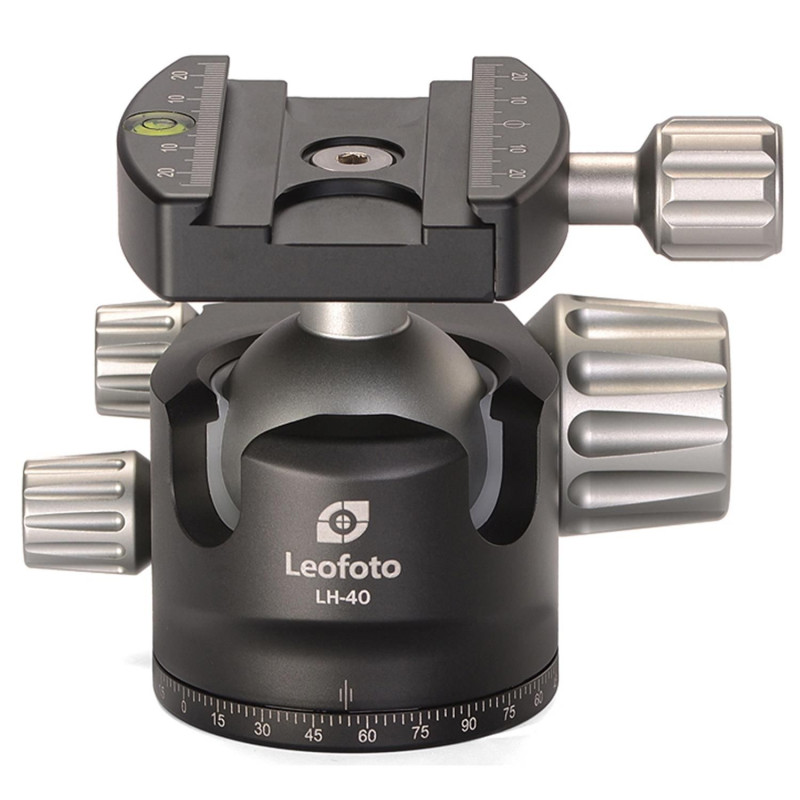
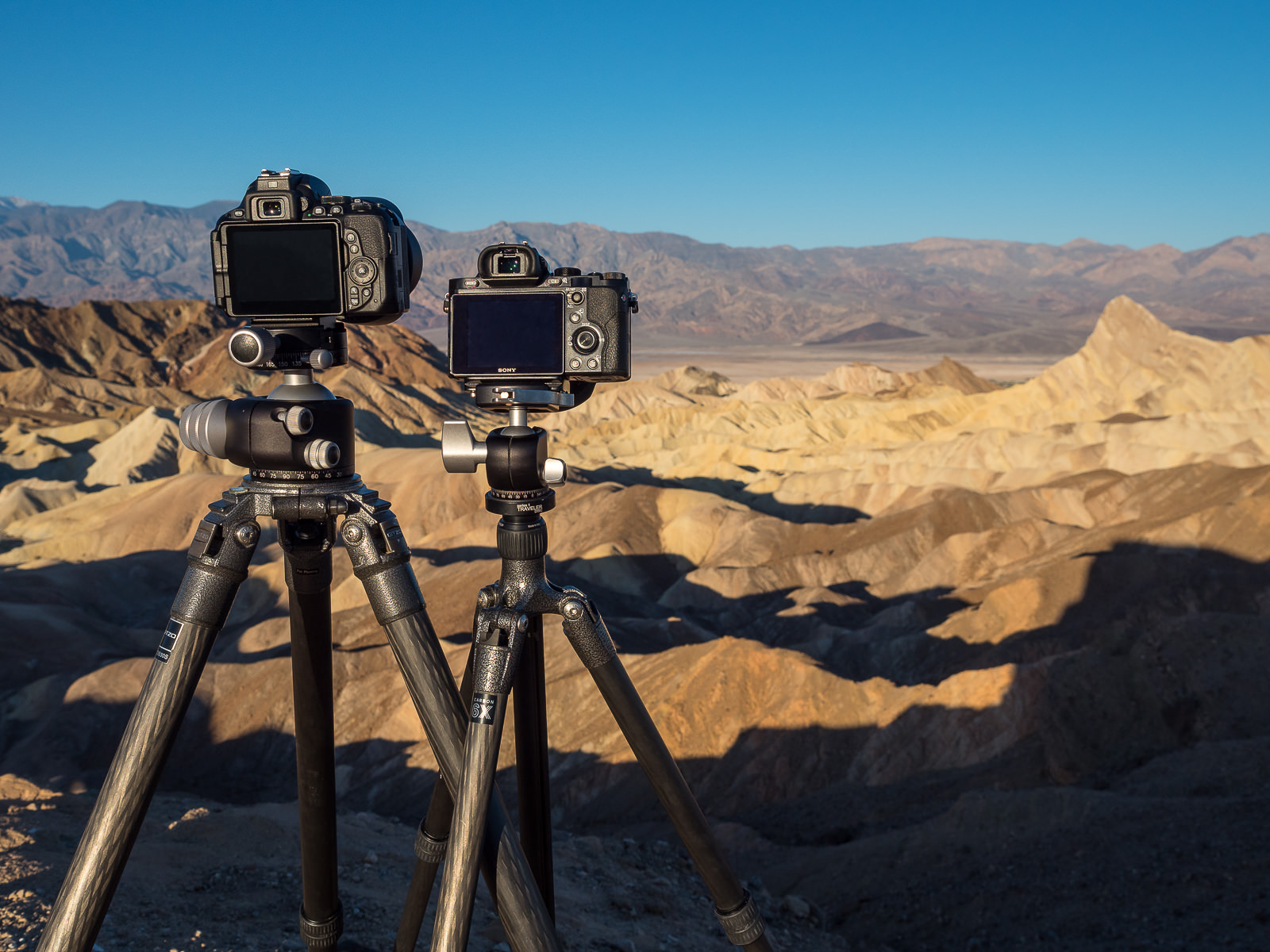
The ball head is currently the most modern and generally preferred head style, partly due to its compact size (compared to three-way heads), lightweight build, and ease of adjustment. Unlike the three-way head, ball heads save size and weight by allowing you to use the camera itself as the "handle," positioning the camera in any direction with just one rather than three knobs. Ball heads typically feature dual or triple control, allowing photographers to control the ball’s movement and friction with separate knobs. Tri-control designs often implement a third knob that controls the 360-degree panning separately from the main ball lock. Due to its size and speed, this head style is popular among sports, action, nature, travel, and studio photographers. Like the three-way head, it can also be used for almost any photographic application.
The Gimbal Head

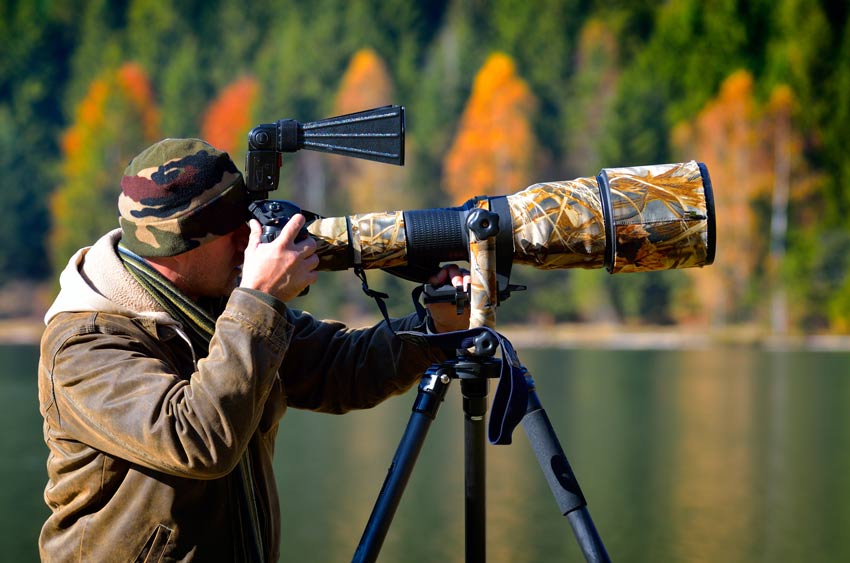
Gimbal heads are practically essential in the world of advanced sports and wildlife photography, as they support the large telephoto lenses that are an undeniable hallmark of the craft. The gimbal head is designed to support and balance large lenses and camera bodies, allowing the user to follow a moving subject vertically and horizontally, and, if properly balanced, retain its last position even when the photographer’s hand leaves the camera. They are generally the largest and heaviest head style, but for photographers who need them, their utility is unrivaled. It is also worth noting that most gimbal heads are not sold with a mounting plate; one must be selected specifically for the lens in use. When investing in a gimbal system, you should always purchase a suitable lens mounting plate that provides enough length to adequately balance your equipment.
The Fluid Head
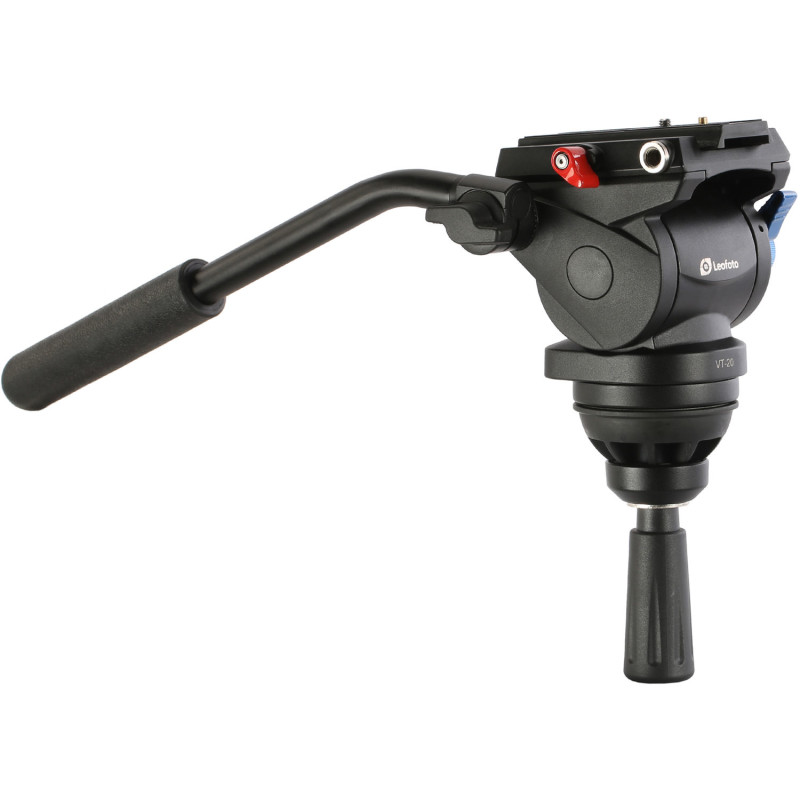
Since almost every camera now includes advanced video functions, many photographers have begun incorporating video components into their tripod kits, with the fluid head being the most significant of these additions. The fluid head is designed to reduce resistance when recording video, allowing for smooth pans and tilts along two axes, and the integrated "fluid" cartridge reduces unwanted shakes, vibrations, and jitters. While each tripod head has a maximum load capacity, the stated maximum of a fluid head should be seen as a guideline that should never be exceeded. Balanced weight is essential for good fluid head performance, and resistance to an unbalanced load can impair the video-smoothing properties of the head, especially in the hands of beginner videographers.
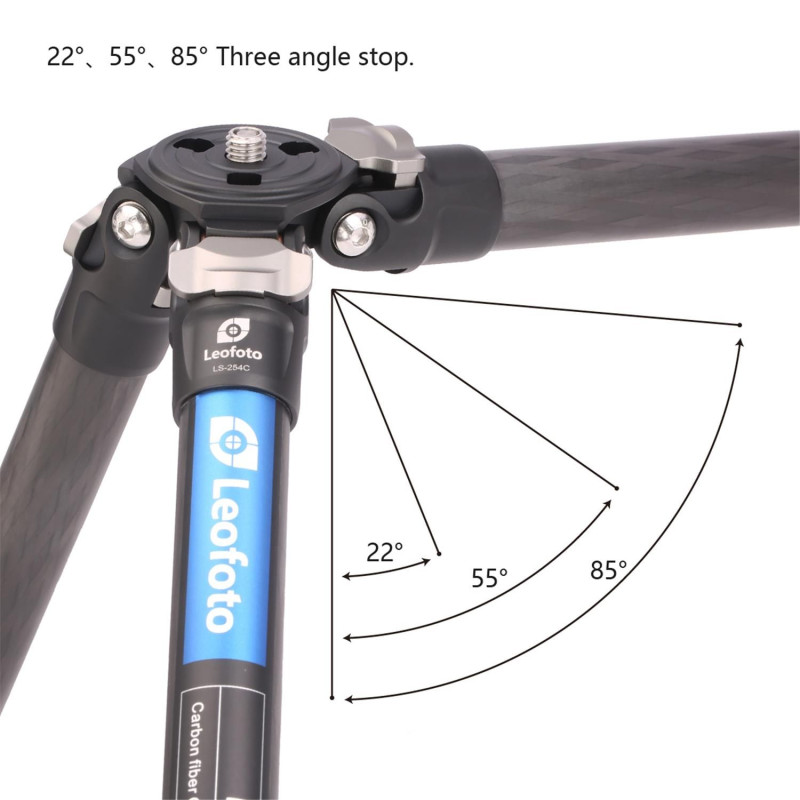
Material Choice
Tripod legs—whether for beginners or professionals—are a relatively straightforward matter, limited to three simple factors: weight, load capacity, and price. The often heavier, cheaper, and somewhat more durable material for tripod legs is an oldie but goodie: aluminum. Although its weight may not be ideal for travel, aluminum tripods benefit from this weight with increased stability and the ability to withstand daily use and minor impacts. However, aluminum legs are subject to the environment in which they are used, which simply means they heat up in the sun, cool down in the cold, and can rust if not properly cleaned after exposure to freshwater
and saltwater. The second, newer, and more expensive material option is carbon fiber, which has become a darling in the world of outdoor and landscape photography due to its lighter weight and excellent rigidity. Although the price difference between aluminum and carbon fiber has decreased significantly in recent years, it is still substantial for higher-quality tripod brands.


