Leofoto YB-100MK Leveling Base with Arca-Swiss Clamp – 100 mm Bowl Adapter, Compact Handle for Precise Leveling
- Professional leveling base for tripods with a 100 mm bowl adapter
- Integrated Arca-Swiss compatible quick-release clamp
- Compact locking handle for fast and precise adjustment
- Precision-numbered scale for repeatable positioning
- Integrated bubble level for accurate horizontal alignment
- High-quality CNC-machined construction from 6061-T6 aluminum
- Secure Arca clamp with large locking knob for reliable fastening
- Ideal for professional photography, videography, and surveying applications
Product Description
The Leofoto YB-100MK Leveling Base has been specifically designed for professional tripods equipped with a 100 mm bowl adapter. It enables fast and precise leveling of cameras, tripod heads, and other equipment while ensuring accurate horizontal alignment even on uneven terrain.
Thanks to the integrated Arca-Swiss compatible quick-release clamp, camera plates, lens supports, tripod heads, and other accessories can be mounted directly. The numbered positioning scale allows for precise and consistently repeatable alignment.
Compact Handle for Convenient Operation
The ergonomic locking handle allows quick, secure, and comfortable adjustment of the leveling base. Its compact design makes the YB-100MK particularly suitable for applications where space-saving construction and easy handling are essential.
The finely tuned mechanism enables precise positioning and dependable locking performance. This makes the leveling base ideal for professional photography, videography, surveying, and technical applications.
Arca-Swiss Compatible Quick-Release System
The integrated Arca-Swiss clamp supports the direct use of a wide range of camera plates, lens collars, and accessories based on the globally established Arca-Swiss standard. The generously sized locking knob ensures secure clamping and reliable support.
Robust CNC-Machined Aluminum Construction
The YB-100MK is manufactured from premium 6061-T6 aluminum alloy and precision CNC-machined for maximum durability. The material offers an optimal combination of low weight, high rigidity, and excellent corrosion resistance. Weighing only 497 g, the leveling base remains lightweight and portable while providing outstanding strength.
The integrated bubble level supports accurate horizontal alignment and simplifies setup for panorama photography, architectural photography, video production, and surveying applications.
Technical Specifications
| Model |
Leofoto YB-100MK |
| Type |
Leveling Base with Arca-Swiss Clamp |
| Compatibility |
100 mm Bowl Adapter |
| Height |
111 mm |
| Diameter |
100 mm |
| Bubble Level |
1 Integrated Spirit Level |
| Mounting Thread |
3/8 inch |
| Weight |
497 g |
| Material |
6061-T6 Aluminum Alloy |
| Arca-Swiss Compatible |
Yes |
| Positioning Scale |
Yes, Numbered |
Package Contents
- 1× Leofoto YB-100MK Leveling Base with Arca-Swiss Clamp
Tripod Components


Cameras and tripods have a long-standing partnership, maintaining relevance and unmatched functionality in a world dominated by image stabilization and Photoshop tricks. Although the form and function of a tripod are much simpler to understand than today’s DSLRs, with their extensive features, selecting the right setup from a variety of manufacturers and seemingly comparable models can be a daunting task. This article outlines the basic types of tripod kits every photographer should consider, and discusses the various categories of tripod heads and legs for those looking to build a custom setup.
Tabletop Tripods
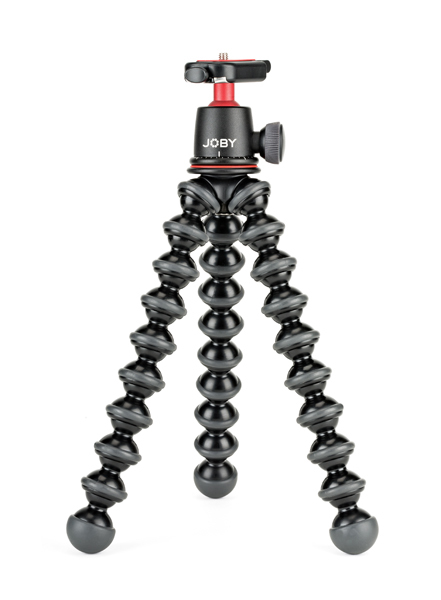
For some, the simplest and smallest solution is often the best, and for this audience, a tabletop tripod offers a particularly compact solution for the everyday photographer. These tripods come in a range of types and sizes and are usually sold as kits with a pre-mounted head and legs. They are typically inseparable and reach a maximum height of no more than 30cm. These tripods are ideal for travelers, hikers, or those photographing in areas where carrying full-sized camera equipment might be restricted. Those needing a table support may also consider a flexible variant, such as the Joby Gorillapod line. These compact and lightweight supports can be used on a traditional flat surface or wrapped around various objects (such as branches, pipes, and handlebars) to stabilize your camera on uneven terrain or create a unique new photographic perspective.
The Tripod System
For the passionate, ambitious, and professional photographer, investing in a modular tripod system—or, for the layperson, a tripod with a removable head and a set of durable, versatile legs—is the preferred choice. Whether purchased together as part of an extended set or separately, investing in a system ensures the user obtains customizable, high-quality equipment that can be adapted to specific photography needs either now or in the future. Below, we outline some of the different options for purchasing a pre-made tripod kit or assembling your own tripod kit using components selected to meet your individual requirements.
The 3-Way Pan-Tilt Head

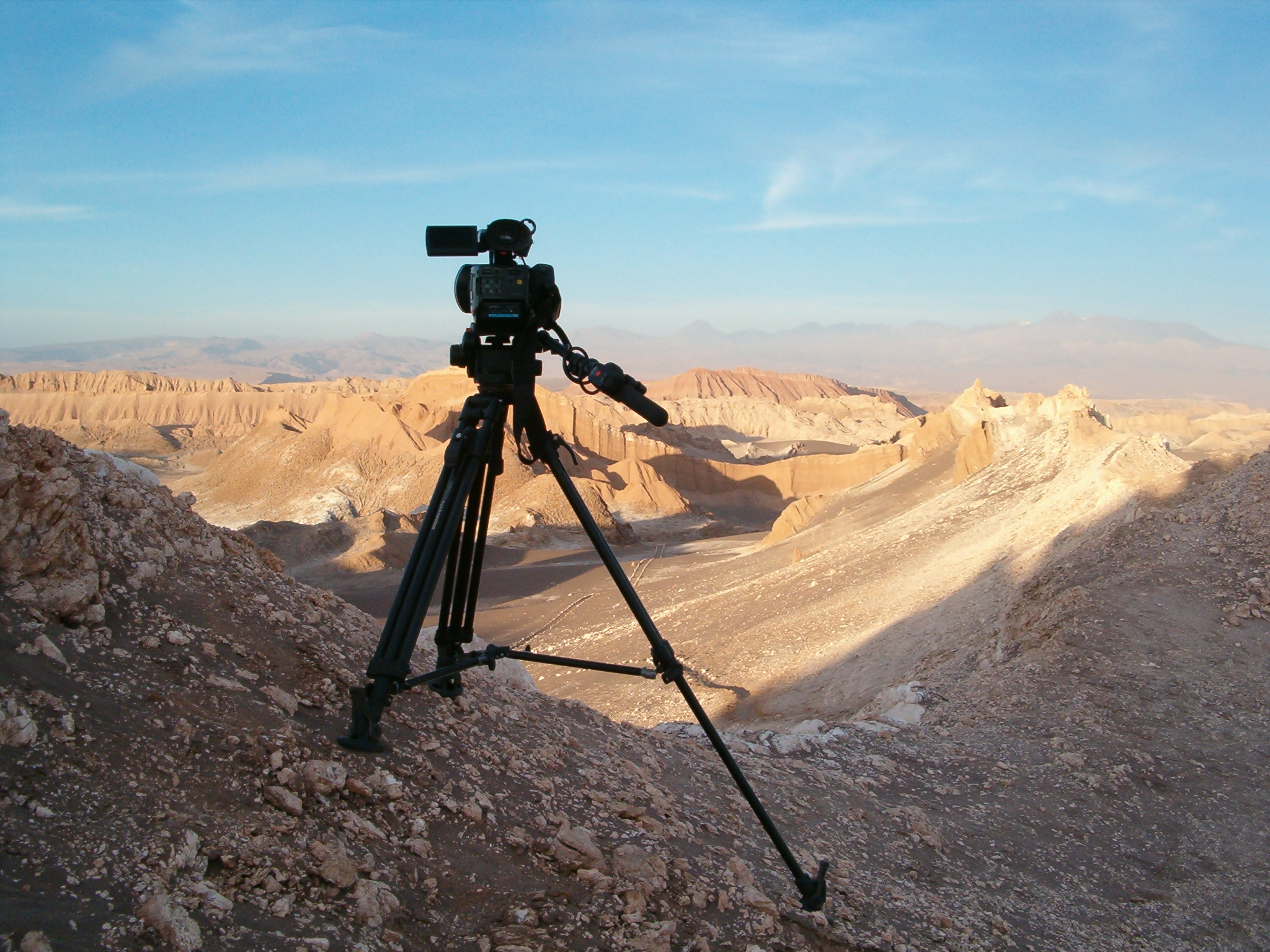
When most people think about tripod functionality, they envision the movement and brand-licensed style of the classic three-way head. This design remains popular with beginners for its ease of use and relatively precise movement. The head consists of three separate arms controlling vertical tilt, horizontal tilt, and 360-degree panning. To adjust the position of each angle, simply turn the handle for the desired angle, position the camera, and then tighten the handle again to lock the camera in place—it's that simple. Three-way heads are commonly used for landscape, portrait, still-life, macro, or product photography, but they can be used for almost any photographic application.
The Ball Head
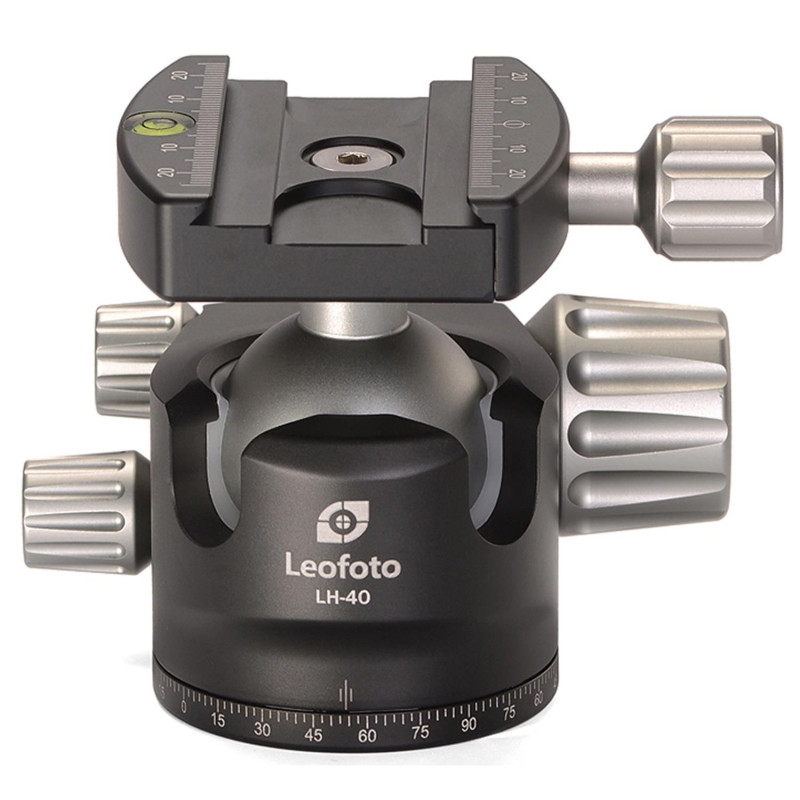
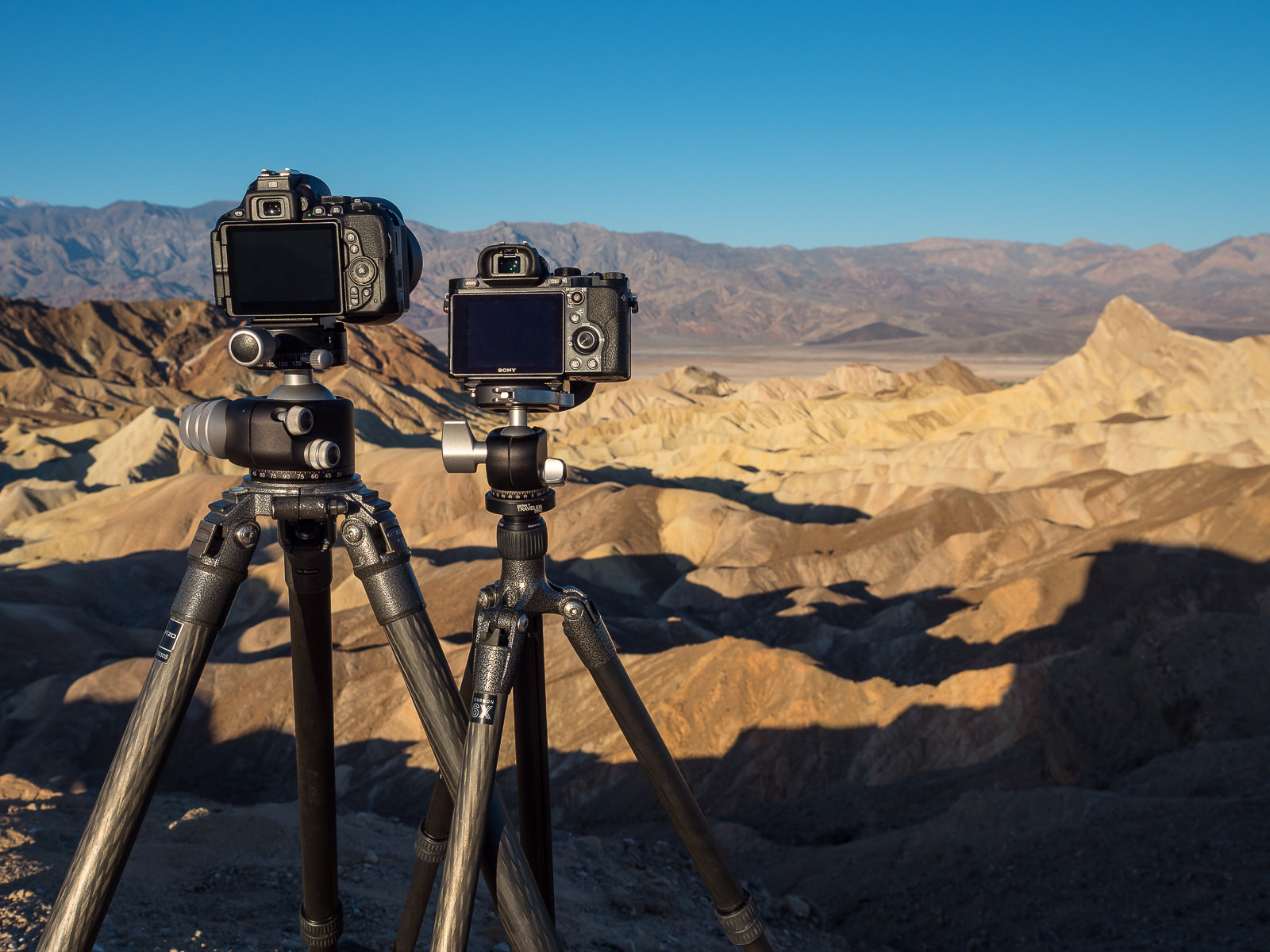
The ball head is currently the most modern and generally preferred head style, partly due to its compact size (compared to three-way heads), lightweight build, and ease of adjustment. Unlike the three-way head, ball heads save size and weight by allowing you to use the camera itself as the "handle," positioning the camera in any direction with just one rather than three knobs. Ball heads typically feature dual or triple control, allowing photographers to control the ball’s movement and friction with separate knobs. Tri-control designs often implement a third knob that controls the 360-degree panning separately from the main ball lock. Due to its size and speed, this head style is popular among sports, action, nature, travel, and studio photographers. Like the three-way head, it can also be used for almost any photographic application.
The Gimbal Head

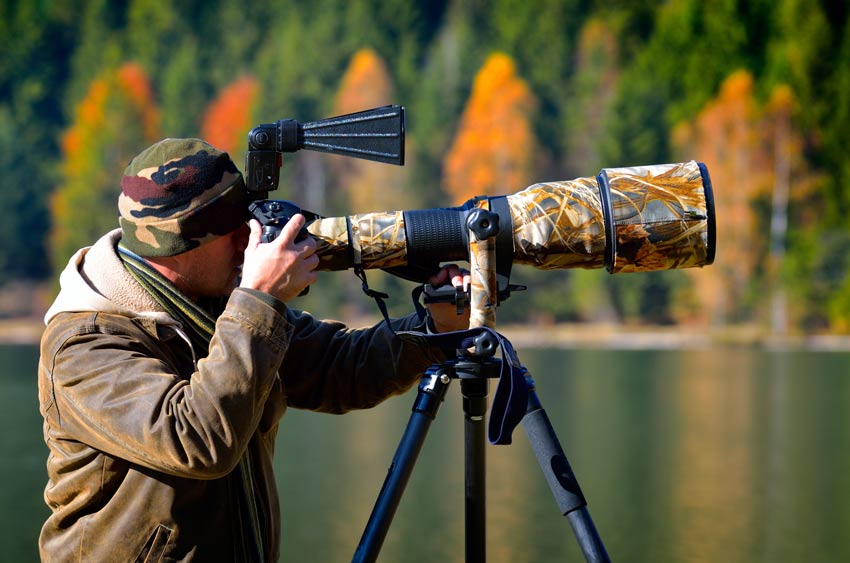
Gimbal heads are practically essential in the world of advanced sports and wildlife photography, as they support the large telephoto lenses that are an undeniable hallmark of the craft. The gimbal head is designed to support and balance large lenses and camera bodies, allowing the user to follow a moving subject vertically and horizontally, and, if properly balanced, retain its last position even when the photographer’s hand leaves the camera. They are generally the largest and heaviest head style, but for photographers who need them, their utility is unrivaled. It is also worth noting that most gimbal heads are not sold with a mounting plate; one must be selected specifically for the lens in use. When investing in a gimbal system, you should always purchase a suitable lens mounting plate that provides enough length to adequately balance your equipment.
The Fluid Head
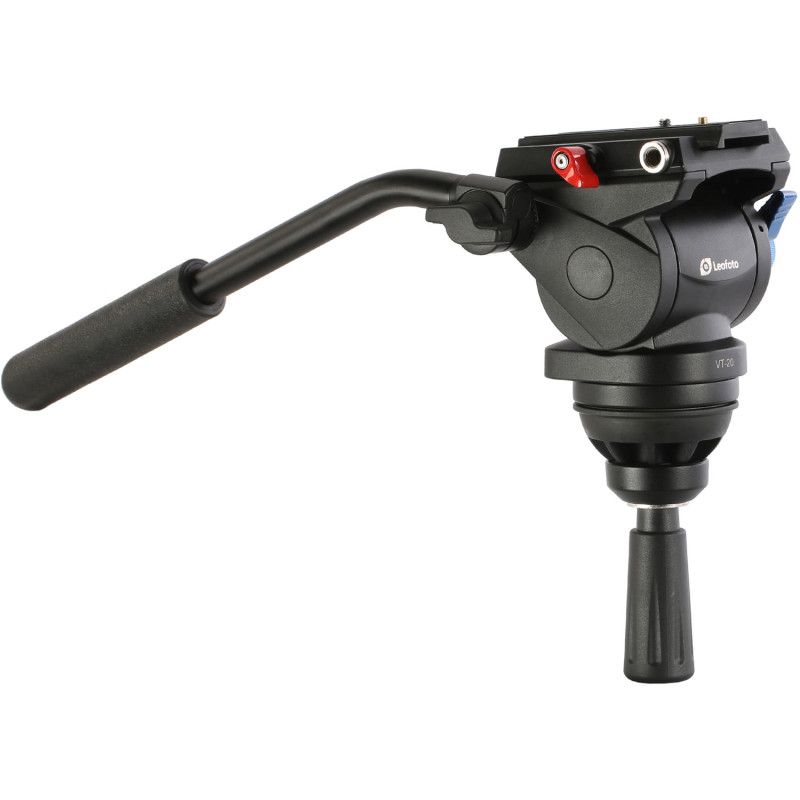
Since almost every camera now includes advanced video functions, many photographers have begun incorporating video components into their tripod kits, with the fluid head being the most significant of these additions. The fluid head is designed to reduce resistance when recording video, allowing for smooth pans and tilts along two axes, and the integrated "fluid" cartridge reduces unwanted shakes, vibrations, and jitters. While each tripod head has a maximum load capacity, the stated maximum of a fluid head should be seen as a guideline that should never be exceeded. Balanced weight is essential for good fluid head performance, and resistance to an unbalanced load can impair the video-smoothing properties of the head, especially in the hands of beginner videographers.
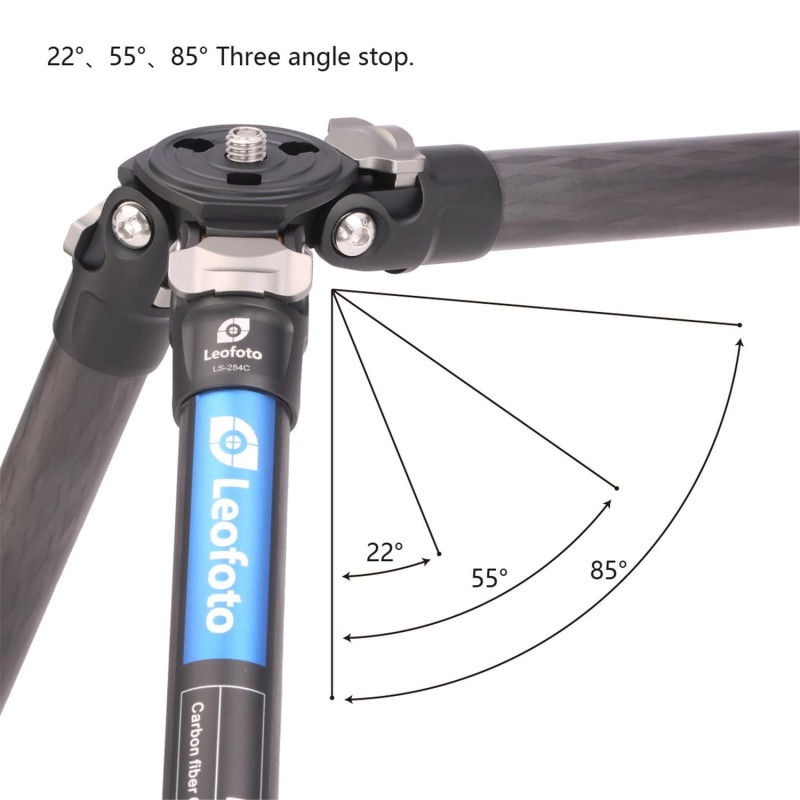
Material Choice
Tripod legs—whether for beginners or professionals—are a relatively straightforward matter, limited to three simple factors: weight, load capacity, and price. The often heavier, cheaper, and somewhat more durable material for tripod legs is an oldie but goodie: aluminum. Although its weight may not be ideal for travel, aluminum tripods benefit from this weight with increased stability and the ability to withstand daily use and minor impacts. However, aluminum legs are subject to the environment in which they are used, which simply means they heat up in the sun, cool down in the cold, and can rust if not properly cleaned after exposure to freshwater
and saltwater. The second, newer, and more expensive material option is carbon fiber, which has become a darling in the world of outdoor and landscape photography due to its lighter weight and excellent rigidity. Although the price difference between aluminum and carbon fiber has decreased significantly in recent years, it is still substantial for higher-quality tripod brands.


