Leofoto Ranger LS-225CEX Carbon Tripod with Leveling Base – Lightweight Travel and Outdoor Tripod for Photo and Video
- Lightweight carbon fiber tripod from the Leofoto Ranger Leveling Series with integrated leveling base
- Leveling bowl with ±15° adjustment for fast and precise camera alignment
- Ideal for landscape, nature, wildlife, and video photography on uneven terrain
- Excellent stability with a weight of just 0.88 kg and a load capacity of up to 4 kg
- Premium 10-layer carbon fiber construction for maximum rigidity and outstanding vibration reduction
- 4 leg sections with leg diameters of 22/19/16/13 mm
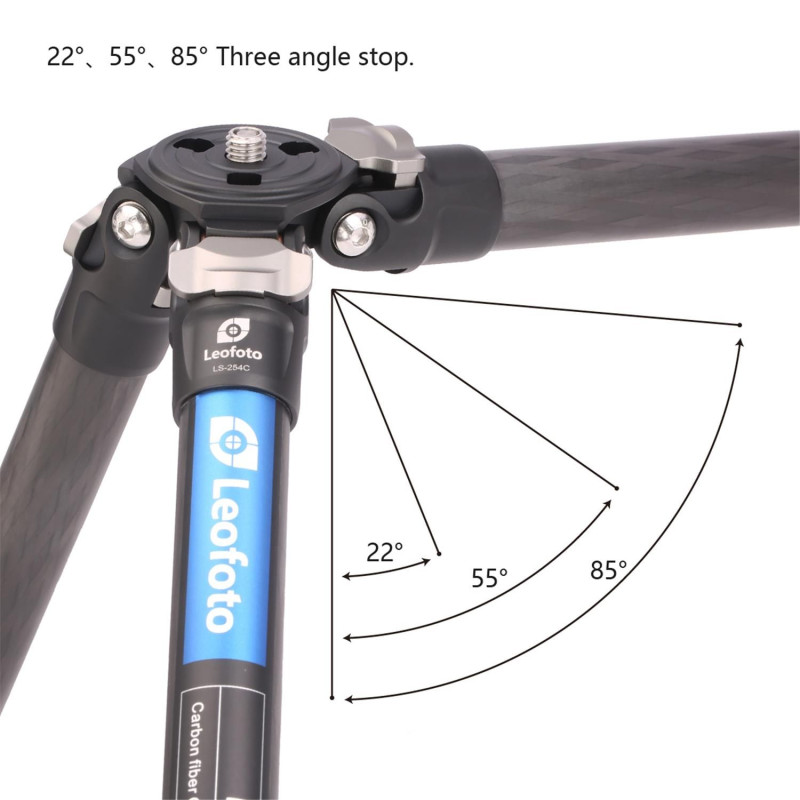
- Variable leg angles for low-angle shooting with a minimum height of only 8.4 cm
- Twist-lock leg locks for quick and secure setup and adjustment
- Side-mounted 1/4" and 3/8" threaded accessory ports for Magic Arms, smartphone holders, and more
- No center column for maximum stability and reduced weight
- Includes a durable carrying bag and Allen key
Product Description
The Leofoto Ranger LS-225CEX Carbon Tripod is part of the premium
Ranger Leveling Series, combining an exceptionally lightweight design
with impressive stability and an integrated leveling base (leveling bowl).
This makes it an excellent choice for photographers and videographers who need
fast, precise camera leveling, even on uneven ground.
With a load capacity of up to 4 kg, a weight of only
0.88 kg, and a maximum working height of
140 cm, the LS-225CEX is the ideal companion for travel,
hiking, outdoor adventures, and professional photography assignments.
Integrated Leveling Base for Precise Camera Alignment
The integrated leveling base compensates for uneven terrain by up to
±15°, allowing the camera to be leveled quickly and accurately
without adjusting each tripod leg individually. This feature is especially useful
for landscape photography, panoramic shots, spotting scopes, and video production.
By eliminating the center column, the tripod offers greater stability,
reduced weight, and a more compact overall design.
Robust Carbon Fiber Construction for Maximum Stability
The tripod legs are made from premium 10-layer carbon fiber.
The special cross-weave construction provides exceptional torsional rigidity while
effectively reducing vibrations. The result is sharper images, even during long
exposures or when using telephoto lenses.
The ergonomic Twist-Lock leg locks enable fast and convenient
operation. All four leg sections extend smoothly and lock securely in place
without twisting.
Designed for Outdoor, Nature, and Landscape Photography
Thanks to its variable leg angles, the Leofoto LS-225CEX reaches a minimum
working height of just 8.4 cm, making it ideal for macro photography,
plant photography, and low-angle nature shots. At the same time, its maximum
height of 140 cm provides excellent versatility for landscape
and travel photography.
The side-mounted 1/4" and 3/8" accessory threads allow additional
equipment such as Magic Arms, smartphone mounts, external monitors, or LED lights
to be attached, significantly expanding the tripod's versatility.
Professional Features for Outdoor Photography
- Lightweight and rigid 10-layer carbon fiber construction
- Integrated leveling base with ±15° adjustment
- No center column for maximum stability
- Twist-Lock leg locks for quick setup
- Variable leg angles for low-angle photography
- Side-mounted 1/4" and 3/8" accessory threads
- Compact folded length of only 45 cm
- Durable carrying bag included
Technical Specifications
| Type |
Photo and Video Tripod |
| Design |
Tripod |
| Material |
Carbon Fiber |
| Load Capacity (kg) |
4 |
| Tripod Head Mount Thread |
3/8" |
| Camera Mount Thread |
1/4" and 3/8" |
| Tilt Range (°) |
15 |
| Pan Range (°) |
360 |
| Maximum Height (cm) |
140 |
| Minimum Height (cm) |
8.4 |
| Folded Length (cm) |
45 |
| Leg Sections |
4 |
| Leg Lock Type |
Twist Lock |
| Feet |
Rubber Feet |
| Bubble Levels |
1 |
| Maximum Leg Angle (°) |
85 |
| Application |
Photography |
| Leveling Bowl |
Yes |
| Center Column |
No |
| Video Head |
No |
| Tripod Head Included |
No |
| Quick Release Plate |
No |
| Accessory Tray |
No |
| Carrying Bag Included |
Yes |
| Series |
Ranger Leveling |
| Color |
Carbon |
| Weight (kg) |
0.88 |
Package Contents
- 1× Leofoto Ranger LS-225CEX Carbon Tripod with Leveling Base
- 1× Carrying Bag
- 1× Allen Key
Tripod Components


Cameras and tripods have a long-standing partnership, maintaining relevance and unmatched functionality in a world dominated by image stabilization and Photoshop tricks. Although the form and function of a tripod are much simpler to understand than today’s DSLRs, with their extensive features, selecting the right setup from a variety of manufacturers and seemingly comparable models can be a daunting task. This article outlines the basic types of tripod kits every photographer should consider, and discusses the various categories of tripod heads and legs for those looking to build a custom setup.
Tabletop Tripods
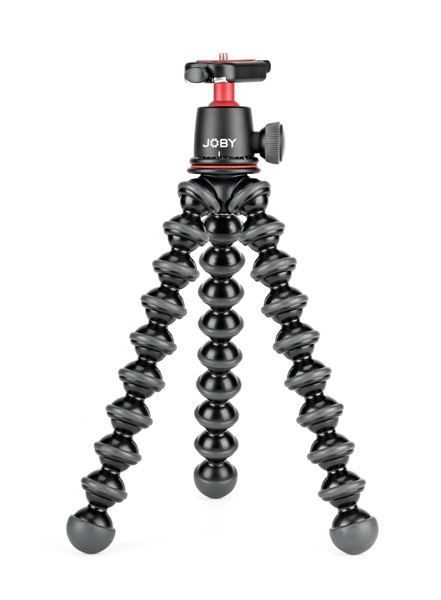
For some, the simplest and smallest solution is often the best, and for this audience, a tabletop tripod offers a particularly compact solution for the everyday photographer. These tripods come in a range of types and sizes and are usually sold as kits with a pre-mounted head and legs. They are typically inseparable and reach a maximum height of no more than 30cm. These tripods are ideal for travelers, hikers, or those photographing in areas where carrying full-sized camera equipment might be restricted. Those needing a table support may also consider a flexible variant, such as the Joby Gorillapod line. These compact and lightweight supports can be used on a traditional flat surface or wrapped around various objects (such as branches, pipes, and handlebars) to stabilize your camera on uneven terrain or create a unique new photographic perspective.
The Tripod System
For the passionate, ambitious, and professional photographer, investing in a modular tripod system—or, for the layperson, a tripod with a removable head and a set of durable, versatile legs—is the preferred choice. Whether purchased together as part of an extended set or separately, investing in a system ensures the user obtains customizable, high-quality equipment that can be adapted to specific photography needs either now or in the future. Below, we outline some of the different options for purchasing a pre-made tripod kit or assembling your own tripod kit using components selected to meet your individual requirements.
The 3-Way Pan-Tilt Head

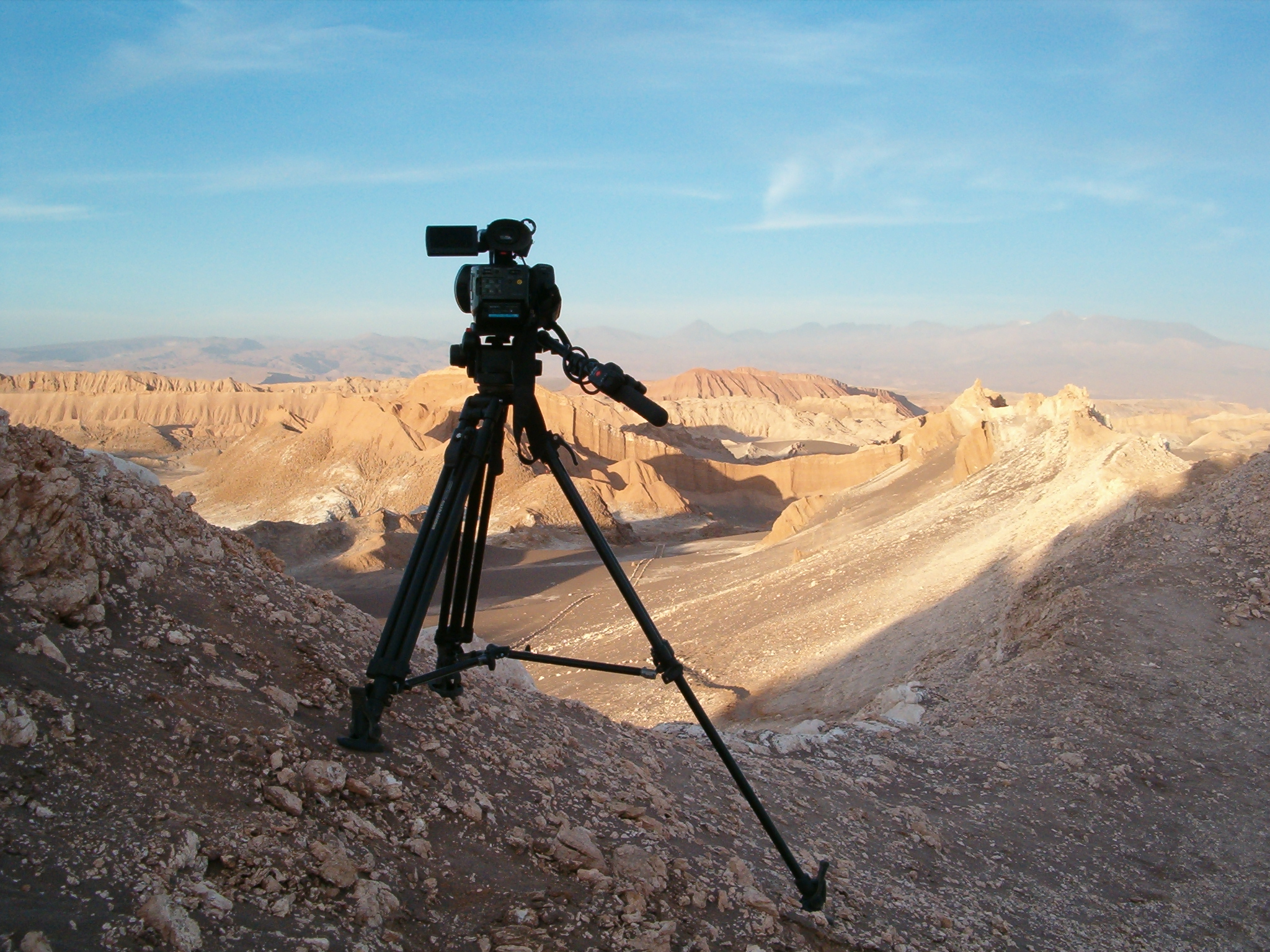
When most people think about tripod functionality, they envision the movement and brand-licensed style of the classic three-way head. This design remains popular with beginners for its ease of use and relatively precise movement. The head consists of three separate arms controlling vertical tilt, horizontal tilt, and 360-degree panning. To adjust the position of each angle, simply turn the handle for the desired angle, position the camera, and then tighten the handle again to lock the camera in place—it's that simple. Three-way heads are commonly used for landscape, portrait, still-life, macro, or product photography, but they can be used for almost any photographic application.
The Ball Head
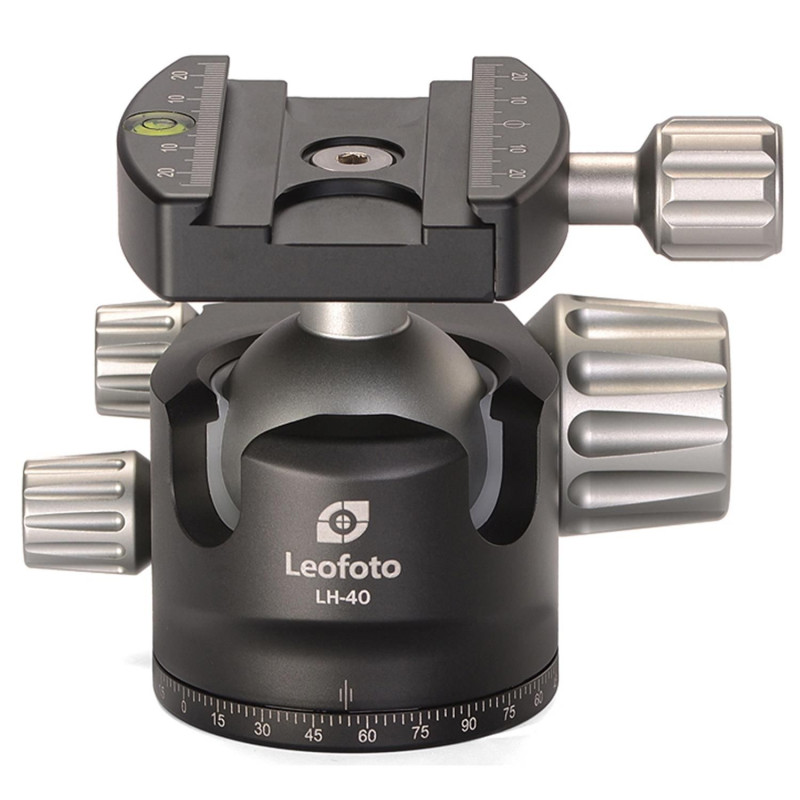
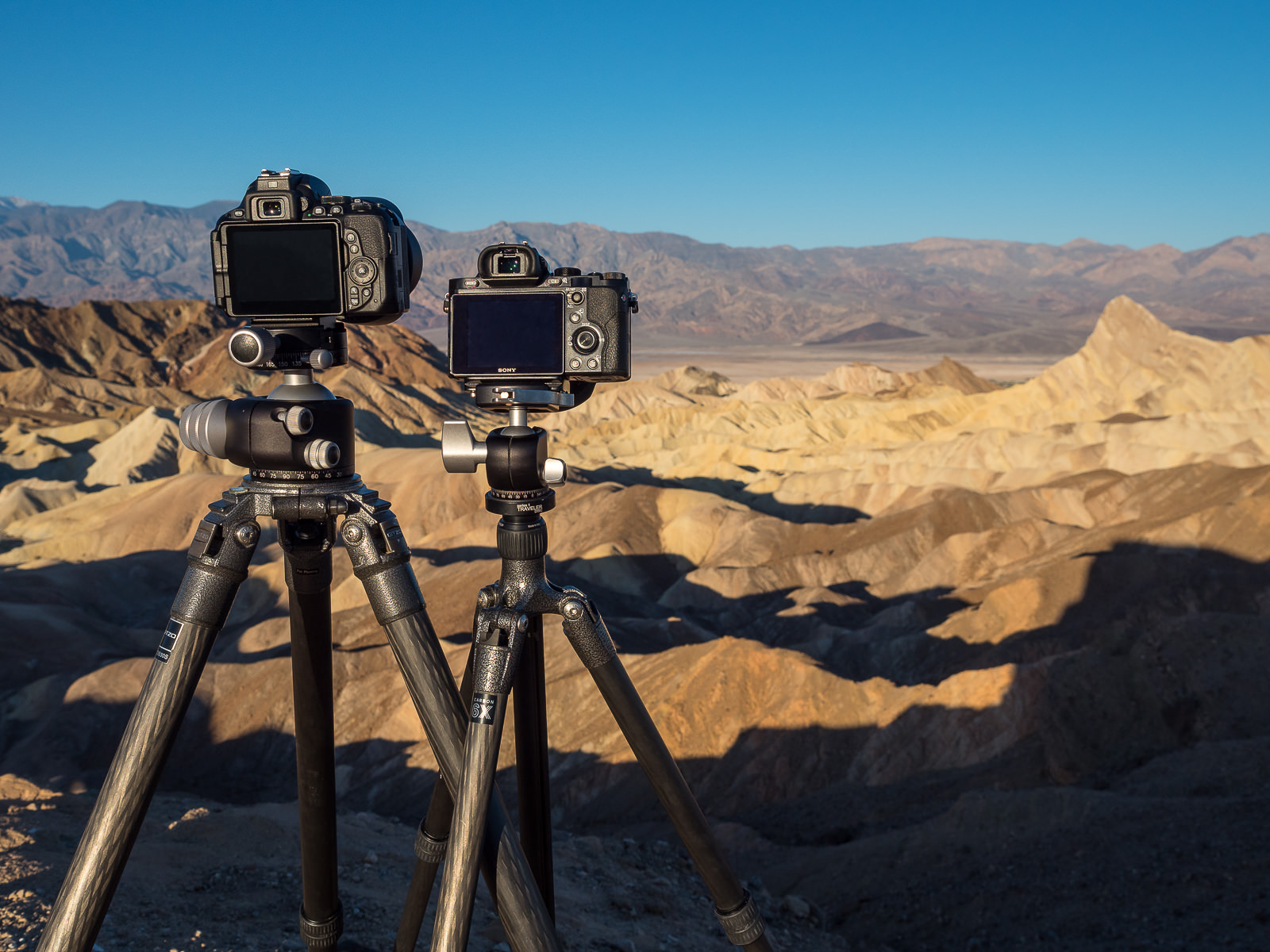
The ball head is currently the most modern and generally preferred head style, partly due to its compact size (compared to three-way heads), lightweight build, and ease of adjustment. Unlike the three-way head, ball heads save size and weight by allowing you to use the camera itself as the "handle," positioning the camera in any direction with just one rather than three knobs. Ball heads typically feature dual or triple control, allowing photographers to control the ball’s movement and friction with separate knobs. Tri-control designs often implement a third knob that controls the 360-degree panning separately from the main ball lock. Due to its size and speed, this head style is popular among sports, action, nature, travel, and studio photographers. Like the three-way head, it can also be used for almost any photographic application.
The Gimbal Head

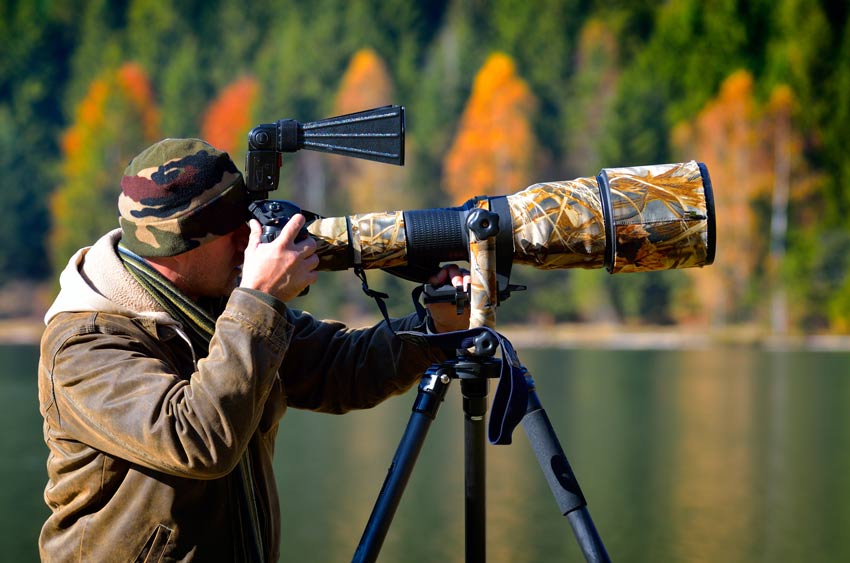
Gimbal heads are practically essential in the world of advanced sports and wildlife photography, as they support the large telephoto lenses that are an undeniable hallmark of the craft. The gimbal head is designed to support and balance large lenses and camera bodies, allowing the user to follow a moving subject vertically and horizontally, and, if properly balanced, retain its last position even when the photographer’s hand leaves the camera. They are generally the largest and heaviest head style, but for photographers who need them, their utility is unrivaled. It is also worth noting that most gimbal heads are not sold with a mounting plate; one must be selected specifically for the lens in use. When investing in a gimbal system, you should always purchase a suitable lens mounting plate that provides enough length to adequately balance your equipment.
The Fluid Head
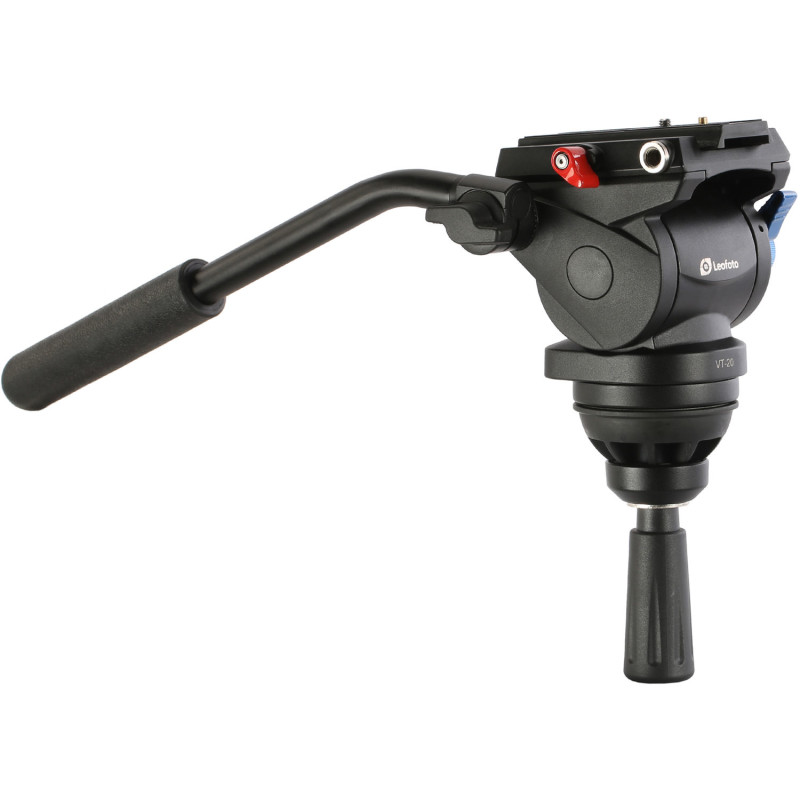
Since almost every camera now includes advanced video functions, many photographers have begun incorporating video components into their tripod kits, with the fluid head being the most significant of these additions. The fluid head is designed to reduce resistance when recording video, allowing for smooth pans and tilts along two axes, and the integrated "fluid" cartridge reduces unwanted shakes, vibrations, and jitters. While each tripod head has a maximum load capacity, the stated maximum of a fluid head should be seen as a guideline that should never be exceeded. Balanced weight is essential for good fluid head performance, and resistance to an unbalanced load can impair the video-smoothing properties of the head, especially in the hands of beginner videographers.
Material Choice
Tripod legs—whether for beginners or professionals—are a relatively straightforward matter, limited to three simple factors: weight, load capacity, and price. The often heavier, cheaper, and somewhat more durable material for tripod legs is an oldie but goodie: aluminum. Although its weight may not be ideal for travel, aluminum tripods benefit from this weight with increased stability and the ability to withstand daily use and minor impacts. However, aluminum legs are subject to the environment in which they are used, which simply means they heat up in the sun, cool down in the cold, and can rust if not properly cleaned after exposure to freshwater
and saltwater. The second, newer, and more expensive material option is carbon fiber, which has become a darling in the world of outdoor and landscape photography due to its lighter weight and excellent rigidity. Although the price difference between aluminum and carbon fiber has decreased significantly in recent years, it is still substantial for higher-quality tripod brands.


